
Salicylic acid turns up everywhere in skincare conversations about breakouts and blemishes. Scroll through any acne forum, skincare subreddit, or dermatologist's Instagram and you'll see BHA mentioned constantly. The reason is simple: it works.
But if you have sensitive skin, salicylic acid can sound terrifying. Most formulas are designed to be aggressive, leaving skin tight, flaky, and more irritated than before. The good news? It doesn't have to be that way. When formulated correctly, salicylic acid can clear congested pores without compromising your barrier.
What salicylic acid actually is
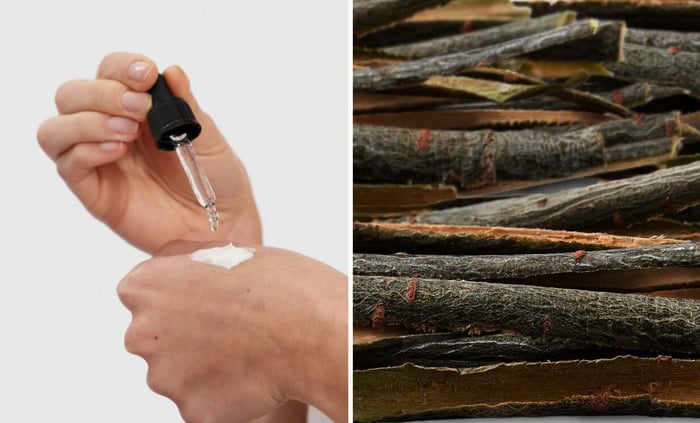
Salicylic acid is a beta hydroxy acid (BHA) that originally comes from white willow bark. Unlike alpha hydroxy acids (AHAs) and polyhydroxy acids (PHAs), which are water-soluble and work mainly on the skin's surface, BHAs are oil-soluble. This molecular difference is what makes salicylic acid so effective for acne and blemish-prone skin.
The name "salicylic" comes from Salix, the Latin name for willow. Willow bark has been used medicinally for over 2,000 years, but modern skincare uses purified salicylic acid at precise concentrations for consistent results.
How salicylic acid clears skin
Salicylic acid works through multiple mechanisms, but its superpower is getting inside your pores. Because it's oil-soluble, it can dissolve through the sebum that fills a blocked pore and reach the follicular wall where problems start. Water-soluble acids like glycolic acid can't do this. They bounce off oil like water off a duck's back.
Once inside the pore, salicylic acid breaks down the mixture of dead skin cells, sebum, and debris that creates blackheads and whiteheads. It disrupts the bonds between dead cells (a process called desmolytic exfoliation), helping them shed naturally rather than forming plugs.
But clearing existing blockages is only part of the story. Research shows salicylic acid actually reduces sebum production at the cellular level by downregulating the AMPK/SREBP-1 pathway in sebocytes. In plain English: it tells your oil glands to calm down. It also suppresses inflammatory pathways (specifically NF-κB), which is why it helps reduce the redness and soreness around active breakouts.
This combination of pore-clearing, sebum-reducing, and anti-inflammatory action is why salicylic acid remains the gold standard for treating blemishes. It addresses multiple causes simultaneously.
Why salicylic acid and sensitive skin usually don't mix
Most salicylic acid products are formulated for oily, robust skin that can handle aggressive treatment. They use alcohol or propylene glycol as solvents (salicylic acid is notoriously difficult to dissolve), add high concentrations without buffering ingredients, and assume that sensitive skin doesn't get breakouts.
But sensitivity isn't a skin type. It's a condition that can affect any skin type, including oily and acne-prone. Many people deal with the double challenge of breakouts plus reactivity, inflammation, and a compromised barrier. Using conventional BHA products on this skin is like using a sledgehammer to hang a picture. The job gets done, but the collateral damage isn't worth it.
The concentration matters too. In the UK and EU, cosmetic products can contain up to 2% salicylic acid. Anything higher requires a prescription. Many brands use the full 2% without considering whether their formula needs cushioning ingredients to offset potential irritation. Others make misleading claims about higher percentages, which should raise red flags about their regulatory compliance.
Our approach: natural salicylic acid that respects sensitive skin
When we developed our Salicylic Acid Clarifying Booster, we started with a simple question: could we make BHA work for people who'd written it off as too harsh?
We use two complementary sources of salicylic acid. The first is pure salicylic acid derived from wintergreen essential oil through fractionation. This gives us pharmaceutical-grade BHA that's completely natural in origin. The second is white willow bark extract, which contains not just salicin (a precursor to salicylic acid) but also anti-inflammatory tannins and flavonoids. Supplier testing shows white willow bark extract accelerates cell turnover faster than isolated salicylic acid while being non-irritating even at 100% concentration.
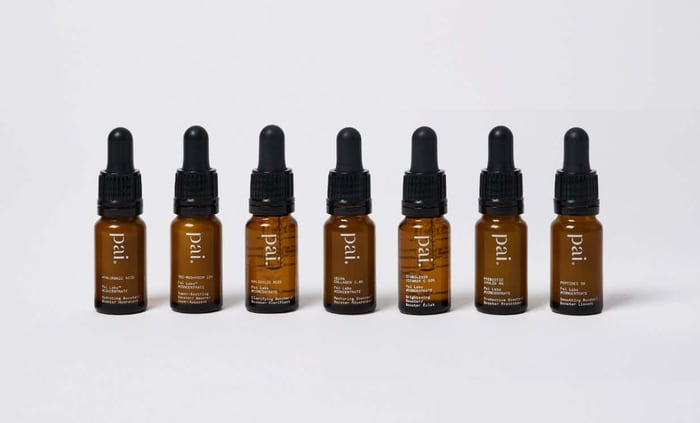
The real innovation is how we cushion these actives. Instead of using harsh solvents, we build the formula on organic chamomile floral water. German chamomile has documented anti-inflammatory properties, so every drop delivers soothing actives alongside the exfoliating acid. We add organic glycerin to counteract any drying tendency, and prebiotic inulin to support your skin's beneficial bacteria while the salicylic acid targets the pathogenic ones.
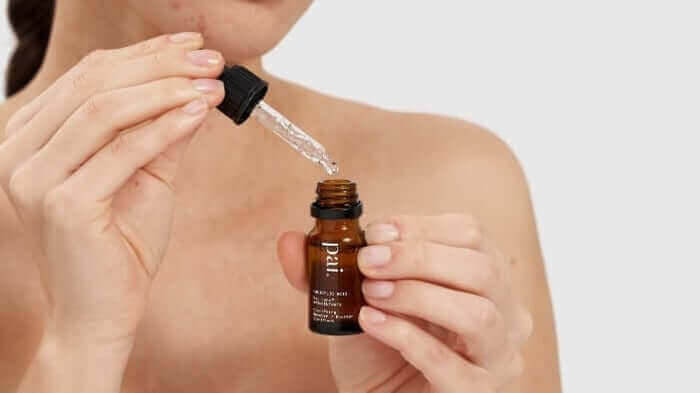
The booster format puts you in control. Mix one drop into your moisturiser for a gentle introduction. Apply two drops directly to clean skin for full-strength treatment. Start slowly, see how your skin responds, then adjust. No gambling on whether a fixed-dose product will work for your skin's specific tolerance.
Adding salicylic acid to your routine
There's no single right way to use salicylic acid. Your approach depends on your skin's current state, your tolerance for actives, and what else you're using.
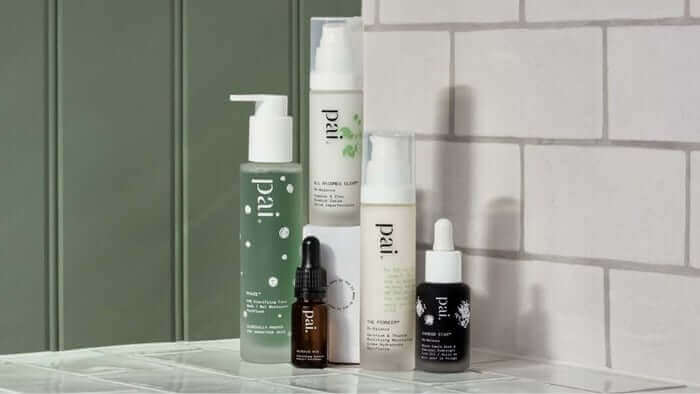
For a gentle start, try a cleanser with BHA or PHA. Our Phaze foaming cleanser uses gluconolactone (a PHA) instead of salicylic acid. The larger molecular size means it exfoliates only at the surface, making it gentler while still clearing pores. Use it as your evening cleanse after removing makeup.
Ready for something more targeted? That's where our booster comes in. Add a drop to your moisturiser or serum to ease into BHA treatment. Once your skin adjusts, you can apply 1-2 drops directly after cleansing. Some people use it all over, others as a spot treatment on problem areas.
The key is consistency. Salicylic acid works best with regular use, not sporadic blitzing. Daily low-dose application often works better than weekly high-dose treatments, especially for sensitive skin.
One crucial note: salicylic acid can increase sun sensitivity. Always use SPF during the day when you're using any BHA product, and for a week after you stop.
Ready to try BHA the sensitive skin way? Shop our Salicylic Acid Clarifying Booster or book a free online consultation with our skin experts for personalised advice on incorporating it into your routine.
Frequently Asked Questions
What makes Salicylic Acid different from AHAs and PHAs?
Salicylic Acid is a BHA (beta hydroxy acid), which means it's oil-soluble. That's the crucial difference: it can dissolve through the sebum inside your pores and clear out oil and debris from within, while water-soluble AHAs and PHAs only exfoliate the skin's surface.
Can I use Salicylic Acid if I have sensitive skin?
Yes, but the formula matters. Many Salicylic Acid products aren't designed with sensitive skin in mind, which is why they can cause dryness and irritation. Pai's Salicylic Acid 2% Clarifying Booster is cushioned with Organic Chamomile Water and Organic Glycerin to soothe and hydrate, and the drop-by-drop booster format lets you control the dose, starting low and building up as your skin tolerates it.
What strength of Salicylic Acid should I look for?
Over-the-counter Salicylic Acid products range from 0.5% to 2%, which is the maximum allowed without a prescription. Be wary of any product claiming higher concentrations. Pai's booster uses the full 2% at clinical strength, derived from two natural plant sources: White Willow Bark and Wintergreen.
How do I add Salicylic Acid into my skincare routine?
If you want a wash-off option, a Salicylic Acid cleanser or a gentler PHA face wash like Pai's Phaze can work as your cleansing step. For something more targeted, add 1-2 drops of a booster like Pai's Salicylic Acid 2% into your existing moisturiser or serum, or apply it directly to skin as a spot treatment if your skin can handle it.
Why does blemish-prone sensitive skin need both antibacterial and anti-inflammatory ingredients?
Breakouts don't just cause spots; they trigger redness, soreness, and localised inflammation that mimics a compromised barrier. Products that only target bacteria can leave behind dry, irritated skin that's almost as visible as the blemish itself. That's why Pai formulates its Salicylic Acid Booster with Prebiotic Inulin to help protect the skin's microbiome and Organic Chamomile Water for its soothing anti-inflammatory properties, so you're tackling both the blemish and the irritation it causes.