
Phaze took three tries to get right. The first two attempts, going back to 2018, got binned because they dried skin like a flannel left on a radiator. Not exactly the Pai way.
"We've tried and failed to formulate a foamy wash a few times over the years, and rejected the formulas because they were too drying," says Sarah Brown, Founder of Pai and CEO. "So it's satisfying to have tried again and this time succeeded."
Five years later, we've cracked it. "It's our first cleanser that creates a proper foam in the shower," continues Sarah. "We know there's a whole tranche of customers who prefer this fresher type of gel-wash sensation over cream, oil or balm cleansers. This is for them."
Actually, this is for the people who've been asking for it since 2015. "Our customers let us know that we were missing a foaming cleanser that can be used on wet skin and still be highly effective," explains Rhea Patel, Pai's Senior NPD Product Manager.
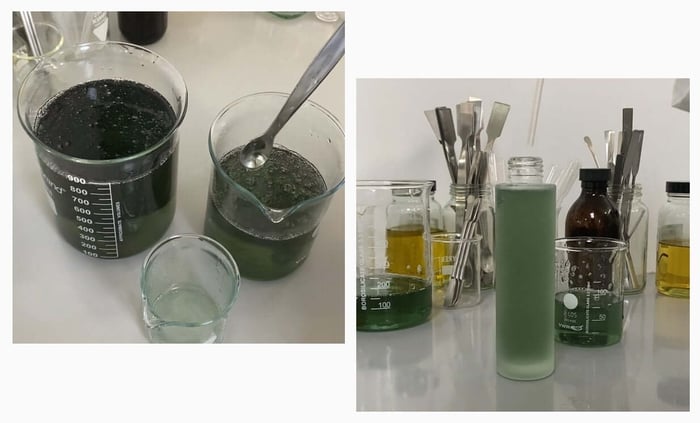
"We knew the difficulties around formulating and manufacturing a foam cleanser, but that didn't stop us. We're innovators and always up for the challenge."
The foam problem
Here's the thing about foam: it's almost impossible to create without sulfates. Those bubbles you love? Usually courtesy of sodium lauryl sulfate (SLS) or its slightly gentler cousin sodium laureth sulfate (SLES). Both strip your skin's lipid barrier faster than acetone removes nail polish.
For sensitive skin, that's disaster territory. Your skin feels tight, dehydrated, and angry. The barrier damage triggers more oil production, which means more breakouts, which means reaching for harsher cleansers. See the problem?
We needed five years because the technology literally didn't exist when we started. Plant-derived surfactants that could create a satisfying foam without the stripping effect? Not a thing in 2018. By 2023, advances in green chemistry meant we could finally formulate with sugar-based surfactants (alkyl polyglucosides) and betaine-based foaming agents that clean without declaring war on your skin barrier.
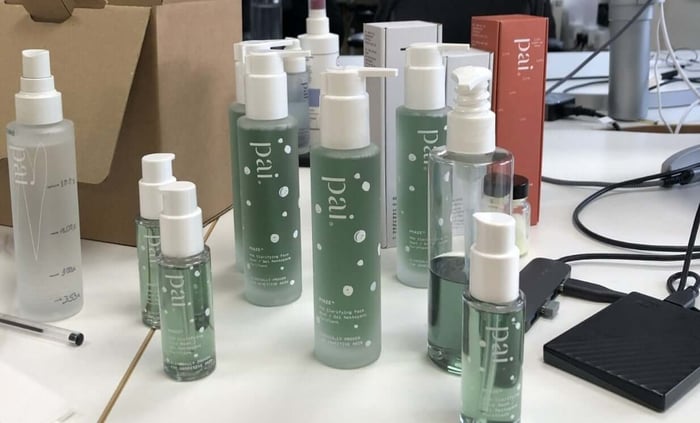
John Monoyioudis, our Head of R&D, puts it bluntly: "Without these surfactants, formulating a foaming, mild, hydrating face wash is very difficult. There are few surfactants that meet all the strict COSMOS criteria. The introduction of other actives further complicated the formulation, increasing the risk of disrupting the internal structure."
Translation: we wanted foam that cleans, exfoliates with PHAs, supports the microbiome with prebiotics, and deposits lasting hydration. Oh, and it needs to be 98% natural and COSMOS certified. No pressure.
Manufacturing a miracle (sort of)
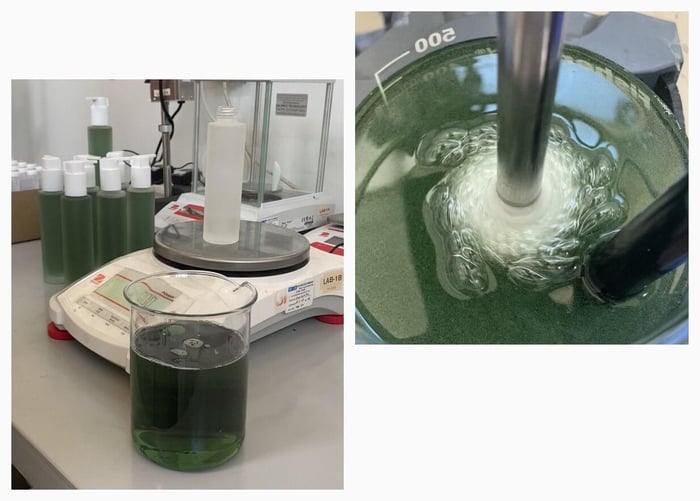
Making Phaze in our London factory required rethinking our entire approach. Production Manager Katarzyna Morsztyn had to redesign the production area and implement new methods just to weigh the raw materials properly.
"We had to avoid creating foam when adding components," she explains. "One round of production takes two days. I personally call this product 'premix', as there are quite a few premixes which need to perform before they're added to the main vessel, in order to achieve a transparent product."
The foam was fighting us at every stage. Too much agitation during mixing? Foam overflow. Wrong order of ingredient addition? The texture collapsed. Wrong temperature? The transparency vanished. It took months of trial batches to nail the process.
"Fortunately, we developed a formula that delivered," beams John. "And there's no better reward than when your toughest critic Sarah, who was very sceptical from the outset, approves the formulation."
What actually makes Phaze different
Beyond the foam breakthrough, Phaze does three things simultaneously that most cleansers can't manage individually:
1. PHAs exfoliate without irritation. We use gluconolactone at 0.5%, a polyhydroxy acid with molecules too large to penetrate deep enough to cause stinging. Published research shows gluconolactone is compatible with rosacea and post-procedure skin. In our consumer trial, 72% saw reduced blemishes after two weeks, with progressive improvement throughout.
2. Prebiotics protect the microbiome. Chicory root inulin feeds beneficial bacteria while inhibiting the pathogenic species that trigger breakouts. Most cleansers disrupt your skin's ecosystem. Phaze strengthens it.
3. Hydration that survives rinsing. Our NMF Sugar Complex binds covalently to keratin in your skin. It physically cannot be washed away. While other cleansers leave you racing for moisturiser, Phaze deposits hydration that lasts up to 72 hours.
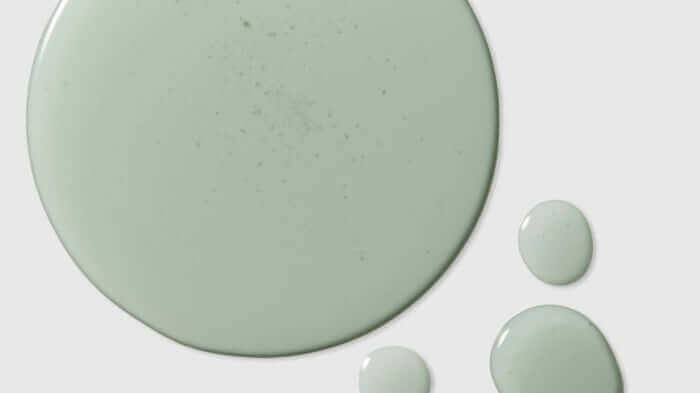
The result? In clinical trials, 79% said skin looked clearer after two weeks. Blackhead reduction more than doubled between first use and day 14. That bright green colour? Natural gardenia extract, not synthetic dyes.
The name game
With the formula finally signed off, we needed a name. Chief Customer Officer Ed Saper takes up the story:
"Five minutes into the product briefing with John and our Head of NPD Danielle, they said, 'This is the face wash for people who can't use face washes' and inspiration struck me: these people are missing out. But not anymore!"
"I'd already jotted down 'foamy' and F.O.M.O. (Fear of Missing Out). Then I changed it to F.O.M.I. (Free Of Maddening Irritation). I showed it to Sarah who glanced at it, looked at me, shook her head and then carried on with the meeting. Genius is never understood in its own time."
The PHA connection sealed it. "By the end of the meeting I'd come up with Phaze," explains Ed. "Sarah and John were extolling the virtues of PHAs, pronounced P-H-Ayze, so the name is what it is, but also refers to skin phases and being unfazed by whatever life throws at you."
He also tried Phazed & Confused, Phazer, Out of Phaze ("both a bit Star Trek") and New Phaze. Thankfully, Phaze stuck.
The complete clarifying routine
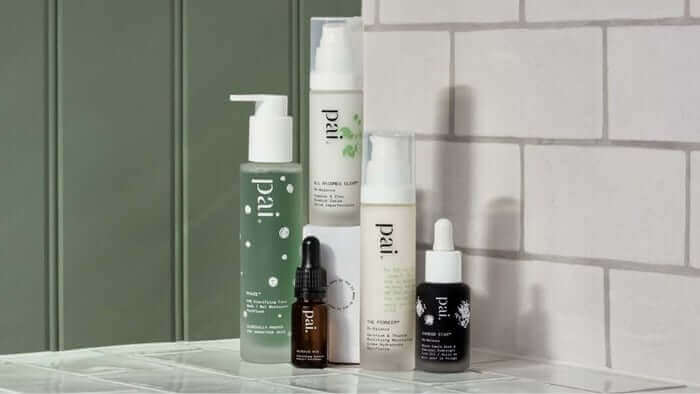
Phaze works brilliantly solo, but for maximum clarity, here's the full routine: Start with Light Work to dissolve makeup and sunscreen, then follow with Phaze to deep clean and exfoliate. Mist with Century Flower (same prebiotic technology for barrier defence), target specific blemishes with All Becomes Clear, moisturise with The Pioneer if you're oily, and seal everything with Carbon Star overnight oil.
You can read more about choosing the right cleanser for oily and blemish-prone skin on our blog. When you're ready to try it for yourself, shop Phaze PHA Clarifying Face Wash here. After three attempts and five years of development, we think you'll agree it was worth the wait.
Frequently Asked Questions
Why did it take Pai so long to create a foaming cleanser?
Pai actually tried and failed twice before Phaze, including a 2018 formula that was scrapped because it was too drying. The core challenge is that foam typically requires sulfate-based surfactants like SLS and SLES, which strip the skin barrier and cause tightness, making them unsuitable for sensitive skin. It took advances in cosmetic science to develop plant-derived sugar-based and betaine-based surfactants that could create a satisfying lather without compromising the barrier.
What makes Phaze different from other foaming face washes?
Phaze replaces conventional sulfate surfactants with plant-derived sugar-based and betaine-based foaming agents, so you get the lather without the stripping effect. It also contains an NMF Sugar Complex (saccharide isomerate) that binds to the skin's keratin and continues hydrating for up to 72 hours after rinsing. Most foaming cleansers remove moisture as they clean; Phaze actively deposits it.
What are PHAs and why are they in Phaze?
PHAs (polyhydroxy acids) are next-generation exfoliating acids with larger molecules than traditional AHAs like glycolic acid. That larger size means they exfoliate at the skin's surface without penetrating deep enough to cause the stinging and irritation that conventional acid exfoliants are known for. Phaze uses gluconolactone, a PHA derived from maize glucose, to gently unclog pores and clear away daily buildup.
Can Phaze be used on sensitive, blemish-prone skin?
Yes. Phaze was specifically formulated for people whose skin is both sensitive and prone to breakouts. The finished formula has been independently 96-hour patch tested on volunteers with sensitive skin and clinically proven for sensitive skin tolerance. In a consumer trial of 115 women over two weeks, 79% said their skin looked clearer and 72% said it reduced the appearance of blemishes.
Where does the name Phaze come from?
The name is a nod to the formula's hero ingredient, polyhydroxy acids (PHAs), pronounced "P-H-Ayze." Pai's Chief Customer Officer Ed Saper came up with it after several rejected alternatives, including F.O.M.I. (Free Of Maddening Irritation) and Phazer. The name also references skin phases and the idea of being unfazed by whatever life throws at your skin.