
The relationship between chocolate and spots is more complicated than your school nurse made it sound. Here's the truth: cacao beans themselves have never caused a single breakout. The real culprits hide in the ingredients list — specifically the refined sugar and cheap animal fats that turn a potentially skin-friendly food into a sebum-production factory.
Understanding why requires a quick detour through your pancreas.
Sugar, insulin, and your sebaceous glands
When you eat refined sugar (the white, crystalline kind that dominates most chocolate bars), your pancreas releases insulin to break it down. The problem? That insulin hangs around in your bloodstream long after the sugar's been processed, disrupting your mineral balance and sending your hormones into overdrive.
Those hormones — particularly androgens — directly stimulate sebum production. More sebum means more food for acne-causing bacteria, more clogged pores, and more breakouts that always seem to appear before important events.
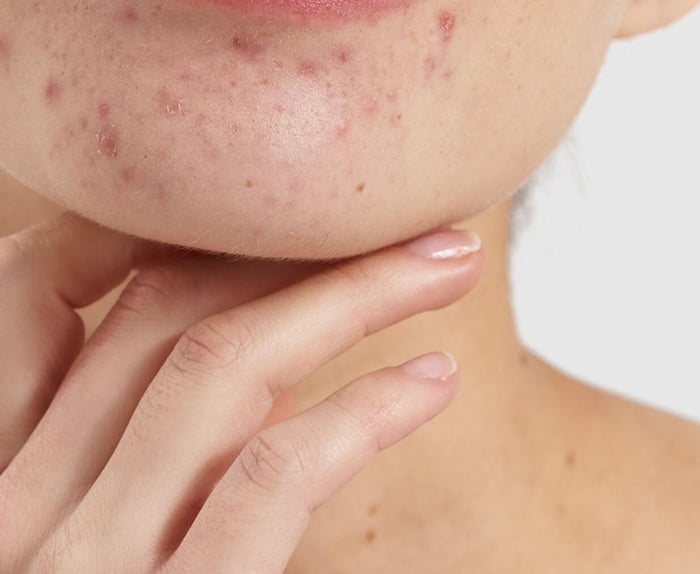
But here's where it gets interesting: not everyone who eats sugar gets spots. The difference often comes down to liver function.
Your liver: the unsung hero of clear skin
Your liver's job description includes clearing excess hormones from your system. A strong, well-functioning liver efficiently removes the hormone surplus before it can trigger excessive sebum production. A liver weakened by poor diet, stress, or high alcohol consumption? Less efficient hormone clearance, more hormonal imbalance, more breakouts.
This explains why some people can demolish an entire Easter egg with zero skin consequences while others get a constellation of spots from a single square. Genetics play a role too, but liver health is the variable you can actually influence.
The chocolate worth eating
Dark chocolate — proper dark chocolate with high cacao content — is an entirely different proposition. Studies show that eaten in moderation, it supports cardiovascular health and boosts serotonin production. The polyphenols in cacao even have antioxidant properties that can benefit your skin.
The key word here is moderation. Portion size matters more than percentage. A small square of 70% dark chocolate eaten mindfully won't spike your insulin the way wolfing down a family-sized milk chocolate bar will. Those dramatic insulin spikes are what trigger the sebum cascade. Smaller, steadier intake keeps your hormones (and skin) calmer.
The routine that keeps spots at bay
Whether chocolate is your weakness or not, a solid skincare routine makes all the difference for breakout-prone skin.
Start with a proper double cleanse. Yes, even if you have oily skin. Light Work dissolves makeup, SPF and the day's grime without stripping your skin's protective barrier. Follow with PHAZE, our PHA cleanser that gently exfoliates while it cleanses, keeping pores clear without the harshness of traditional acid cleansers.
Next, target active blemishes. All Becomes Clear uses zinc and copaiba balsam to calm inflammation and fight bacteria without the drying, peeling side effects of conventional spot treatments. It's the difference between treating spots and punishing your entire face.
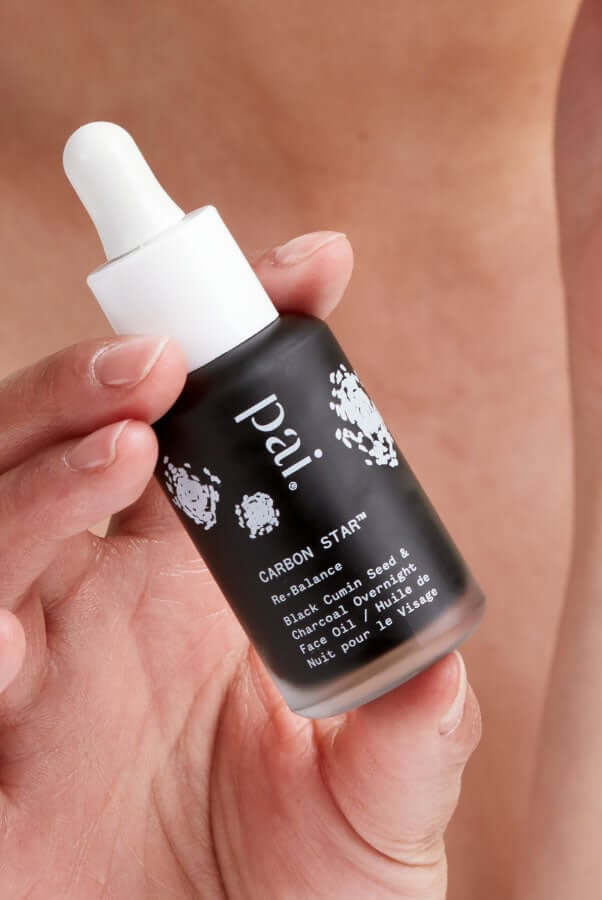
For overnight treatment, Carbon Star is your secret weapon. I know — putting oil on oily skin sounds counterintuitive. But this detoxifying blend of black cumin seed oil and activated charcoal actually helps regulate sebum production while you sleep. The charcoal draws out impurities while the antibacterial oils keep blemish-causing bacteria in check.
During the day, don't skip moisturiser. The Pioneer uses thistle oil to mattify skin and minimise pores without clogging them. And always, always wear SPF. British Summer Time is our mineral sunscreen that won't trigger breakouts — the zinc oxide actually helps calm inflammation while protecting against UV damage.
The bottom line on chocolate and breakouts
Quality matters. A square of antioxidant-rich dark chocolate is a world away from a sugar-laden milk chocolate bar. Your liver health influences how your body processes both. And while diet plays a role in skin health, a targeted skincare routine designed for blemish-prone skin gives you the best chance of enjoying occasional chocolate without paying for it in spots.
If it's the good stuff, eaten mindfully, with a solid skincare routine backing you up? That's a calculated indulgence, not a skin sin.
Shop our complete Re-Balance range for congested, blemish-prone skin
Frequently Asked Questions
Does chocolate actually cause spots?
It's not the cacao beans that cause breakouts. It's the low-grade animal fats and large quantities of refined sugar used in most chocolate production. Dark chocolate with a high cacao content is a much better choice, and eating it in small portions rather than bingeing helps prevent the insulin spikes that trigger excess sebum production.
Why does sugar cause breakouts?
Processed white sugar forces the pancreas to secrete excessive insulin to break it down, and that insulin stays in circulation for a long time. This disrupts your hormonal balance, which increases sebum production, clogs pores, and leads to spots. Moderating your sugar intake prevents those dramatic spikes, giving your skin a better chance of adjusting without breaking out.
Why do some people get spots more easily than others?
Genetics play a significant role, but liver function is also thought to be a major contributor. Your liver clears excess hormones from your system, so a strong liver keeps hormonal balance in check and sebum production under control. A liver weakened by poor diet and high alcohol consumption is less efficient at this, leading to more congestion and breakouts.
What's the best double-cleanse routine for blemish-prone skin?
Start with Light Work Rosehip Cleansing Oil to dissolve makeup and SPF without stripping your skin. It's surfactant-free, so it won't trigger the sebum overproduction that harsh removers cause. Follow with PHAZE PHA Clarifying Face Wash, which uses gentle polyhydroxy acid to exfoliate and decongest while its NMF Sugar Complex leaves skin hydrated rather than tight.
Can you use a face oil on acne-prone skin without clogging pores?
Yes. Carbon Star Detoxifying Overnight Face Oil was clinically tested non-comedogenic in a 28-day study of 20 subjects, showing less than 5% change in blocked pore ratio. It contains antibacterial Black Cumin Seed Oil and sebum-absorbing Vegetable Charcoal, so it works overnight to clarify skin rather than congest it. In a consumer trial of 51 women over 4 weeks, 76% said their skin looked clearer.